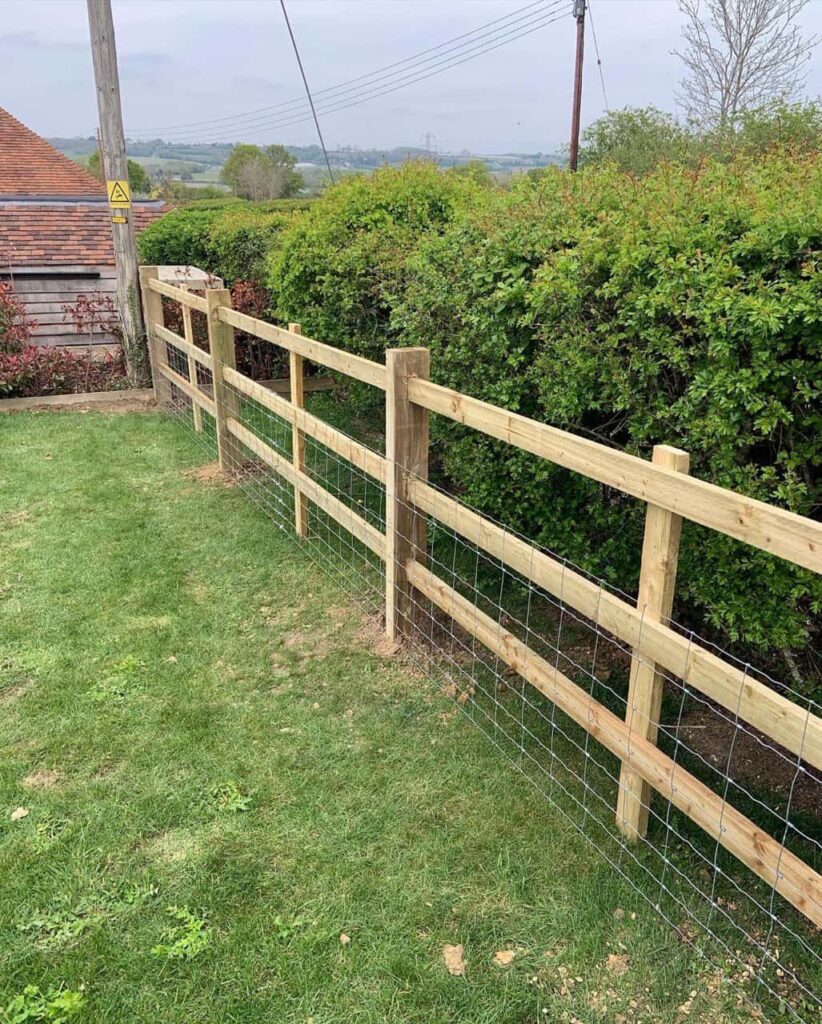
Can Picket Fencing Work Well in Larger Gardens?
Picket fencing is often associated with smaller front gardens, cottage-style properties and traditional garden boundaries. However, its simple design and versatile appearance can also make it a practical choice for larger outdoor spaces. When planned carefully, picket fencing can help define different areas of a garden, create attractive boundaries and maintain an open, welcoming feel.
For homeowners in Swanley, Kent, choosing fencing for a larger garden involves considering more than appearance. The layout, intended use and level of privacy required all influence whether picket fencing is the right option. Understanding its advantages and limitations can help you decide how best to incorporate it into your outdoor space.
Why Picket Fencing Can Suit Larger Gardens
One of the main advantages of picket fencing is its ability to create clear boundaries without making a garden feel enclosed. Unlike solid fence panels, traditional picket designs have gaps between the vertical boards, allowing light and air to pass through.
This can be particularly useful in larger gardens where maintaining an open appearance is important. Rather than creating long, uninterrupted solid boundaries, picket fencing provides a lighter finish that complements lawns, flower beds and landscaped areas.
It can also be used to introduce structure without dominating the overall garden design. The height, spacing and finish can be selected to suit the property’s appearance and the intended purpose of the boundary.
Defining Different Areas Within a Large Garden
Larger gardens often contain several functional areas, such as lawns, vegetable patches, patios, play spaces and ornamental planting. Picket fencing can help separate these sections while maintaining a consistent visual connection throughout the garden.
For example, a low picket fence can distinguish a seating area from a lawn or create a neat boundary around a flower garden. It can also help prevent people from accidentally walking through planted areas.
This approach allows homeowners to organise their outdoor space without relying on tall or heavy fencing throughout the property. Careful positioning can make a large garden feel more organised while preserving its sense of space.
Choosing the Right Height and Design
Picket fencing is available in different heights and styles, making it possible to adapt the design to the garden’s requirements.
Lower fencing is often suitable for decorative boundaries and dividing garden sections. Taller designs may provide a more noticeable boundary, although the gaps between the pickets mean they will not offer the same privacy or security as solid fence panels.
The shape of the picket tops can also influence the overall appearance. Traditional pointed tops create a familiar decorative finish, while rounded or flat tops can produce a simpler, more contemporary look.
When selecting a design, consider the surrounding landscaping and the purpose of the fence. A consistent style across the garden can help create a balanced appearance, particularly where several sections of fencing are required.
Using Picket Fencing Along Long Garden Boundaries
A larger garden may require fencing across substantial boundary lengths. Picket fencing can work well in these settings, provided the posts and supporting structure are suitable for the ground conditions and intended layout.
Long runs of fencing need careful planning to maintain consistent spacing, height and alignment. Uneven ground may also require adjustments to the installation so that the finished fence follows the landscape neatly.
Where a boundary slopes, the fencing may need to follow the ground gradually or be installed in stepped sections. The most appropriate method depends on the garden’s gradient and the appearance required.
Professional installation helps ensure that posts are properly secured and panels remain aligned along the full length of the boundary.
Does Picket Fencing Provide Enough Privacy and Security?
Although picket fencing has several visual advantages, it is important to understand its limitations. The gaps between the boards allow people to see through the fence, so it is not the best choice where complete privacy is a priority.
It can help mark property boundaries and provide a modest physical barrier, but it may not be suitable as the main security measure for every larger garden. Households with pets or young children should also consider the height, spacing and overall design to ensure the fence is appropriate for their needs.
In some gardens, combining picket fencing with taller or more solid boundary fencing can provide a practical balance. For example, decorative picket sections may be used around flower beds and front-facing areas, while stronger panels are installed where greater privacy is needed.
Selecting Materials for Long-Term Performance
The material used for picket fencing affects its appearance, maintenance requirements and durability. Timber remains a popular choice because it offers a natural finish that works well with traditional and landscaped gardens.
However, timber needs appropriate protection against moisture and weather exposure. Regular checks for loose boards, damaged fixings and signs of deterioration can help maintain its condition.
The quality of the posts, rails and installation also matters. A well-designed fence should have suitable support and enough stability to withstand normal outdoor conditions.
Choosing materials that suit the garden’s environment and maintenance expectations helps ensure the fencing remains attractive and functional over time.
Why Professional Picket Fence Installation Matters
Installing picket fencing across a large garden requires accurate measurements, careful positioning and consistent construction. Even small variations in spacing or alignment can become noticeable along longer boundary runs.
A professional fencing contractor can assess the garden layout, consider changes in ground level and recommend a design that suits the intended use. Properly installed posts and secure fixings also help maintain the fence’s stability.
For homeowners in Swanley, planning the installation carefully can make a significant difference to the finished appearance and long-term performance of the fencing.
Conclusion
Picket fencing can work very well in larger gardens when its design is matched to the space and its intended purpose. It offers an attractive way to define boundaries, organise different garden areas and maintain an open appearance. However, homeowners should consider its limitations where privacy or stronger security is required.
If you are considering picket fencing for your garden in Swanley, Kent, Fast Fix Fencing Swanley can help you choose a suitable design and arrange professional installation. Contact the team to discuss your garden layout and fencing requirements.
Call us on: 01322 952 295
Click here to find out more about Fast Fix Fencing Swanley
Click here to complete our contact form and see how we can help with your fencing needs.